

Types of Chemical Peels
Chemical peels come in varying strengths and depths, classified as superficial, medium, or deep peels. Each type targets specific skin concerns and requires different levels of downtime and aftercare. Familiarize yourself with the differences between these peels to ensure you're selecting the most suitable option for your clients' needs.
Customization is Key
No two clients are the same, and their skincare needs will vary. As an esthetic professional, your ability to customize chemical peel treatments based on individual skin types, concerns, and goals is paramount. Assess your clients' skin thoroughly, consider factors such as sensitivity and medical history, and select the appropriate type and strength of peel to achieve optimal results.
Preparing Clients for Treatments
Preparation is key to ensuring successful chemical peel outcomes. Advise clients to discontinue retinoids and exfoliating products a few days before treatment to reduce the risk of irritation. It's essential to educate clients about potential side effects, downtime, and post-treatment care to manage their expectations effectively.
The Science Behind Chemical Peels
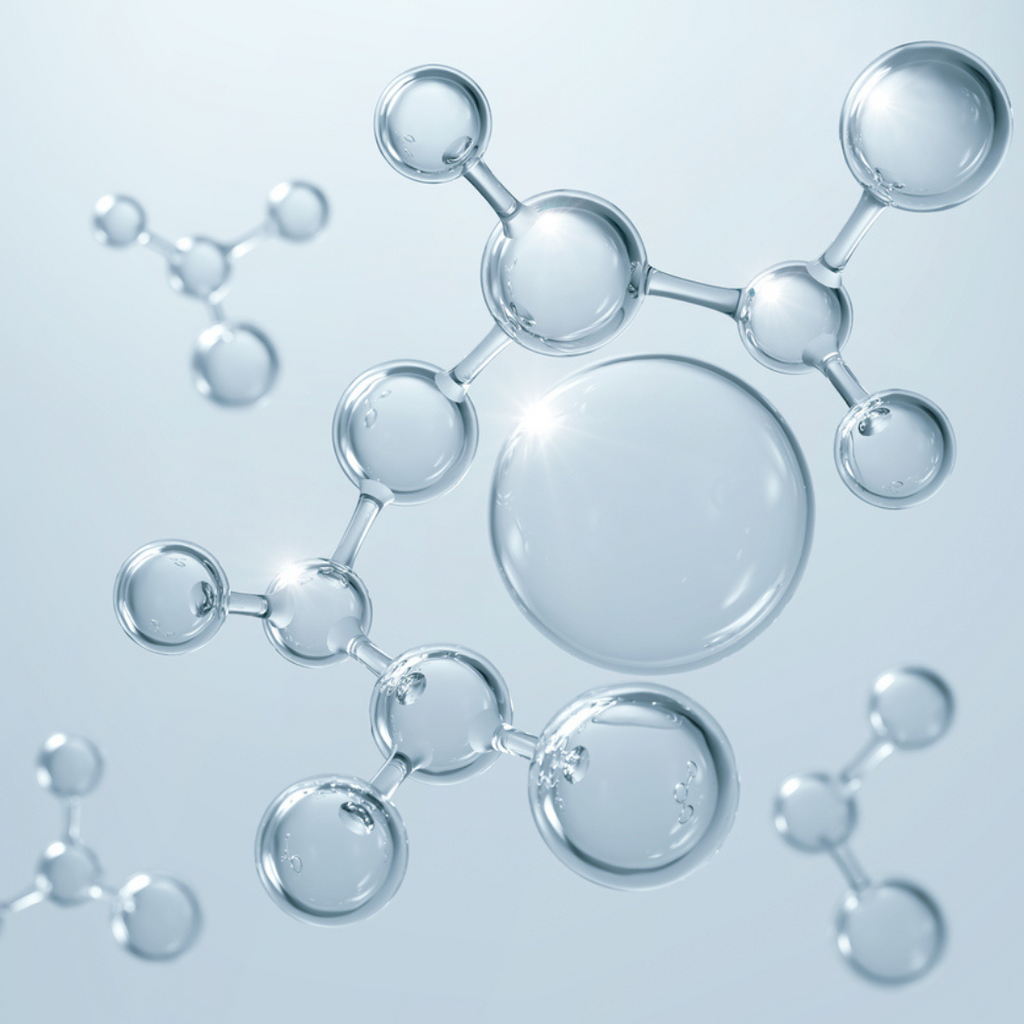
It's essential to understand the science behind them. Chemical peels involve the controlled application of specific chemical solutions to the skin, promoting exfoliation and encouraging the growth of new, healthier skin cells. By triggering the skin's natural healing process, chemical peels stimulate collagen production, improve texture, and address concerns like hyperpigmentation and fine lines.
Demystifying Chemical Peels: Safe and Effective Aesthetic Skin Rejuvenation
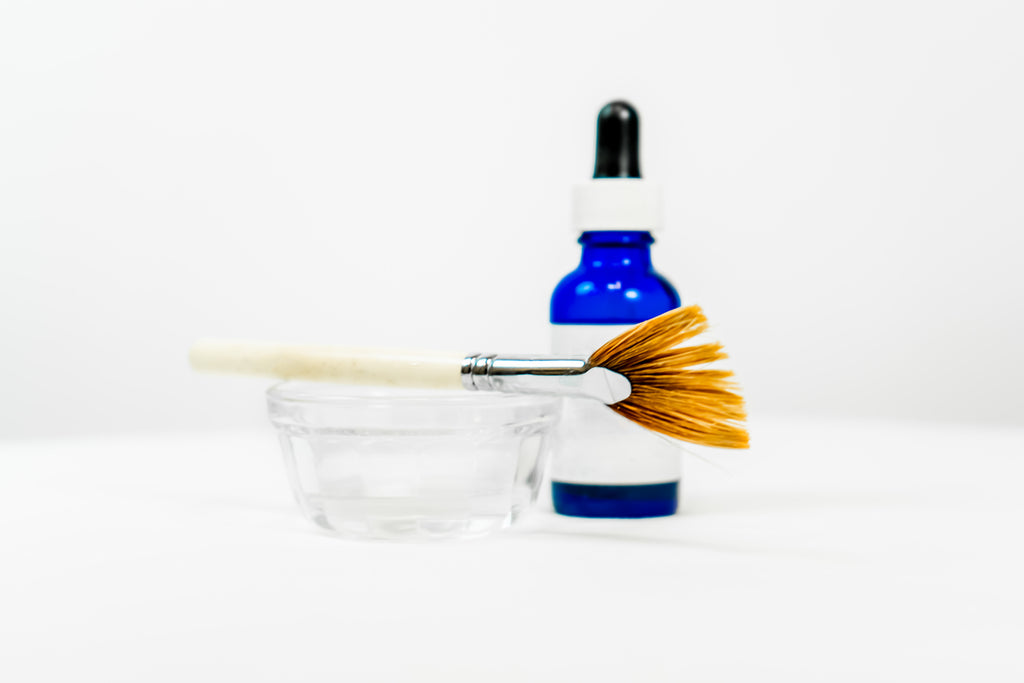
Chemical peels have long been a cornerstone of aesthetic skincare, offering transformative results by rejuvenating the skin and addressing various concerns. As esthetic professionals, understanding the intricacies of chemical peels is crucial to providing safe and effective treatments that deliver radiant and youthful skin. In this comprehensive guide, we demystify chemical peels, equipping you with the knowledge and insights needed to master this powerful technique and offer your clients exceptional skincare experiences.
How Enzymes Can Transform Your Skin
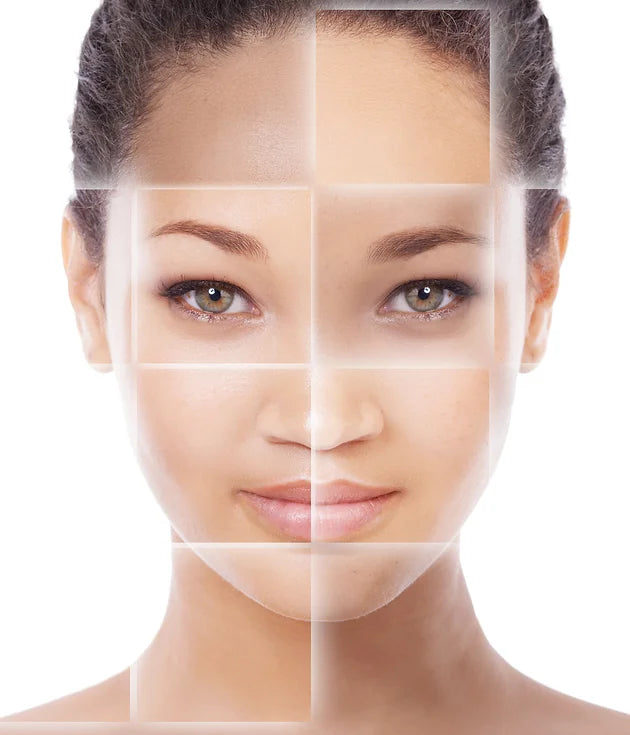
The enzyme commonly used in skincare is known as the proteolytic enzyme and is used for exfoliating the skin’s surface through chemical means. When applied to the skin, these enzymes quickly break down the keratin protein, which is a bond that keeps dead skin cells together on the skin’s surface.
My Secret Weapon
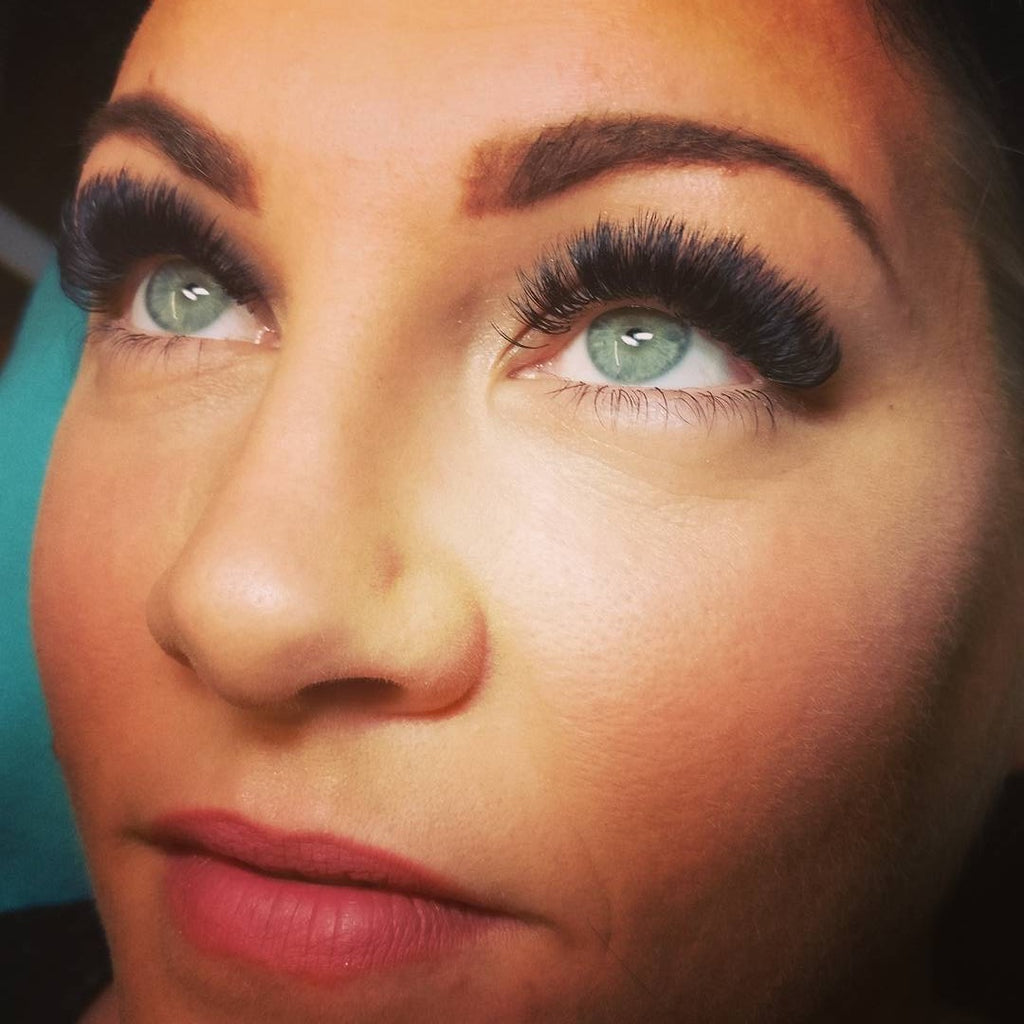
I’d like to be the first person to admit that I have problem-child clients. The ones that insist on going to hot yoga and sweating their lashes off, or the diva that wears a full face of makeup every single day so the eyeshadow that falls on her lashes bothers her, and she ends up putting mascara on them. I even have that client that is a crossbow hunting champion and spends her weekends “primitive camping” with her husband!
Understanding and Preventing Maturation Arrest Acne
Maturation arrest acne is a non-inflammatory type with a grade 2 level. It is one of the hardest acne to treat, but there are ways to prevent it.
Bridging the Gap between Peels and Masks!
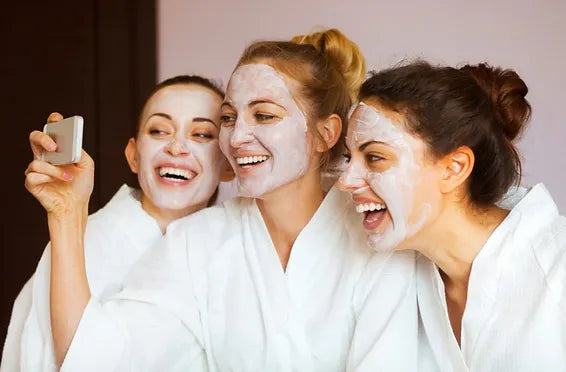
The newest peel combo formulations are an entirely new concept—an express facial peel combined with natural ingredients in an easy-to-apply form, such as a clay-based mask that combines AHAs, TCA's, and Mandelic Acids give fantastic resurfacing properties with benefits of clay to gently help reduce the appearance of a dull and uneven complexion.
Top 5 Skincare Products for Valentine’s Day
You’re most likely already planning for the one day of the year devoted to love and romance. To help with the pampering side, here are some beauty products that’ll help!
Need Some Color for Your Winter Blues?
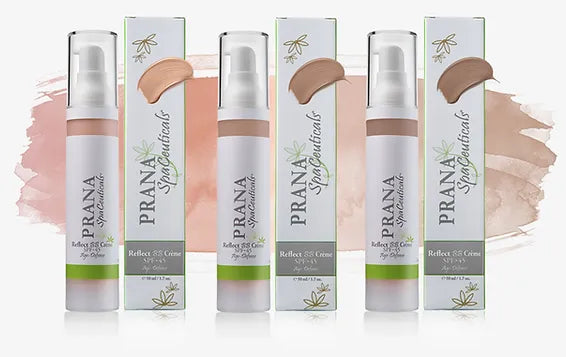
If you’re going to wear foundation every day, you might as well make it a skin-friendly one. The latest age-defying breathable SPF with a hint of color is the perfect treatment to achieve warm glowing skin.
How Peptides Impact The Skin
There are so many different verbs to describe anti-aging actions for skincare products. There’s rejuvenate, regenerate, revitalize, renew, rebuild, strengthen, repair, lift – you get the idea. If you’re an avid product aficionado, you know exactly what we mean.